Back to Blog
Inspirations
Creating Sacred Space at Home
Sep 8, 2025
7 Min read
Learn how to bring mindful awareness into your daily interactions for deeper connections and less reactivity.
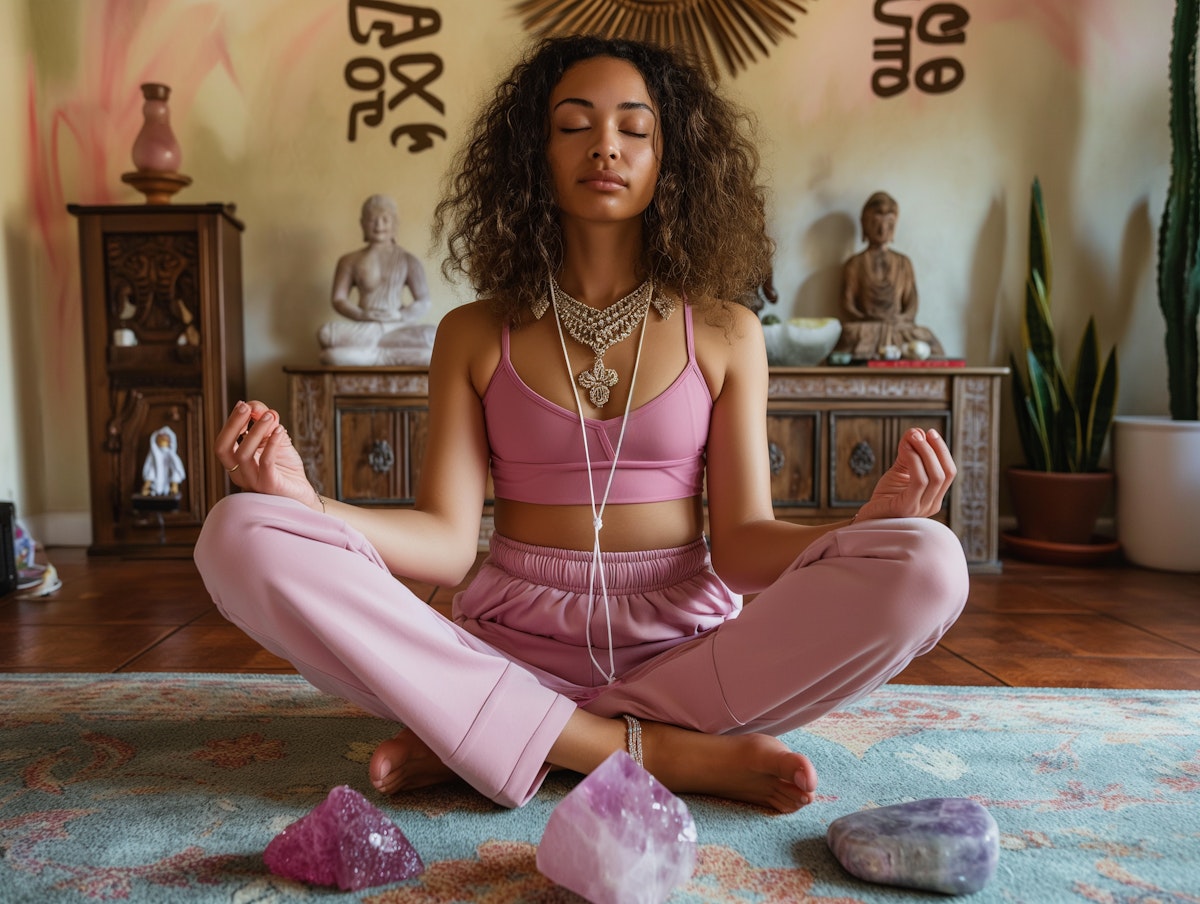
In a world that never seems to slow down, having a dedicated space for reflection, meditation, or simply breathing deeply can be transformative. You don't need a mansion or a meditation room – even the smallest corner can become a sanctuary that supports your emotional wellbeing.
Why Sacred Space Matters
A sacred space serves as a physical reminder to pause and reconnect with yourself. It's a visual cue that signals to your brain: 'This is where I come to find peace.' Over time, just sitting in this space can automatically help you shift into a calmer state of mind.Neuroscience shows us that our brains are constantly associating environments with emotional states. By consistently using a specific space for calm, reflective activities, you're literally training your nervous system to relax when you enter that space.
Essential Elements of Sacred Space
Intentional BoundariesYour sacred space doesn't need walls, but it does need definition. This could be:A beautiful rug or cushionA room divider or curtainEven just a designated chairA specific corner marked by plants or objectsComfort and SupportPhysical comfort supports emotional openness:Soft cushions or a comfortable chairA blanket for warmth and securityProper lighting – soft and warmTemperature control if possiblePersonal MeaningInclude items that hold personal significance:Photos of loved ones or meaningful placesStones, shells, or other natural objectsBooks that inspire youArt or symbols that resonate with your valuesItems from travels or special experiences
Sacred Spaces for Every Living Situation
Studio ApartmentCreate a mobile sacred space with a beautiful basket containing:A folding cushionA small candle or battery-operated lightA journal and penAny meaningful small objectsEssential oils or calming scentsYou can set this up anywhere when you need it and store it away when you don't.Shared Living SpaceClaim a corner, window seat, or even a specific chair as your space. Use:A special cushion that's only for this purposeA small side table for meaningful objectsA plant to create natural energyNoise-canceling headphones if neededBusy Family HomeSometimes sacred space needs to be portable or quickly accessible:A designated drawer with your special itemsA corner of your bedroomEven your car can become sacred space with intentionA outdoor spot in your garden or on a balcony
Creating Atmosphere
LightingHarsh overhead lighting can feel jarring. Instead, try:Candles (real or battery-operated)String lightsA salt lampNatural light from a windowSoft table lampsScentSmell is powerfully connected to emotion and memory:Essential oils or diffuserIncenseA plant like lavender or eucalyptusEven just opening a window for fresh airSoundConsider the auditory environment:A small fountain for gentle water soundsWind chimes by a windowSoft background musicOr simply embracing silenceTexturesIncorporate different textures for sensory richness:Soft fabrics and cushionsNatural materials like wood or stonePlants for living energySmooth objects you can hold while reflecting
Key TakeawaysThe most important element of sacred space isn't what you put in it – it's the intention you bring to it. Before using your space, take three deep breaths, set an intention for your time there, and express gratitude for having this moment of peace. Remember, sacred space is about creating a container for your inner work, not about having the perfect Instagram-worthy setup. Start simple, and let your space evolve naturally as you discover what truly supports your sense of peace and connection.